
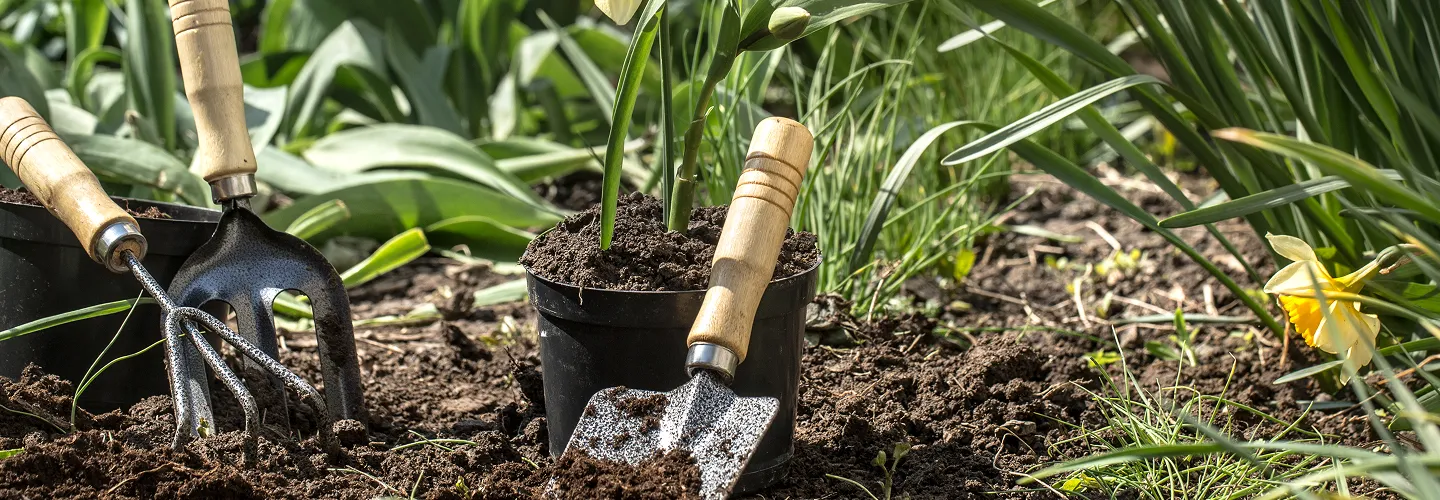
Louisville Flower Bed Maintenance Services
Choose our expert Flower Bed Maintenance for lush, healthy blooms and weed-free beds—enjoy a beautiful landscape without the hassle, backed by local professionals who care.
Get a Free QuoteOur Louisville Landscaping & Yard Care Services
When to Schedule Flower Bed Maintenance in Louisville, Georgia – Seasonal Guide
In Louisville, Georgia, timing your flower bed maintenance is crucial for vibrant, healthy landscapes. The region’s humid subtropical climate means that spring and fall are generally the best seasons for most maintenance tasks. Early spring, just after the last frost date, is ideal for cleaning beds, refreshing mulch, and planting annuals, while fall is perfect for dividing perennials and preparing beds for winter. Local neighborhoods like Magnolia Heights and areas near the Louisville City Park often experience microclimates due to varying shade coverage and proximity to water, which can influence the best timing for specific tasks.
Environmental factors such as the risk of late spring frosts, summer droughts, and heavy rainfall events all play a role in scheduling. For example, properties near the Ogeechee River may have richer, more moisture-retentive soils, while those closer to downtown Louisville might contend with compacted clay. It’s also important to consider municipal guidelines and resources, which can be found on the city’s official website, to ensure compliance with local landscaping ordinances.
Local Factors to Consider for Flower Bed Maintenance in Louisville
- Tree density and shade coverage, especially in neighborhoods like Magnolia Heights
- Soil type (sandy loam near the river vs. clay in central Louisville)
- Average precipitation and risk of summer drought
- Frost dates and seasonal temperature swings
- Terrain and drainage patterns
- Municipal restrictions or recommended maintenance windows
Benefits of Flower Bed Maintenance in Louisville
Enhanced Curb Appeal
Weed and Pest Prevention
Healthier Plant Growth
Seasonal Color Management
Professional Expertise
Time and Effort Savings
Louisville Flower Bed Maintenance Types

Seasonal Flower Planting
-
Weed Control Services
-
Mulching and Soil Conditioning
-
Edging and Bed Redefining
-
Pruning and Deadheading
-
Fertilization Programs
-
Pest and Disease Management
Our Flower Bed Maintenance Process
Site Evaluation
Weed Removal
Soil Preparation
Plant Care
Mulching
Why Choose Louisville Landscape Services
-
Louisville Homeowners Trust Us
-
Expert Lawn Maintenance
-
Competitive Pricing
-
Professional Team
-
Satisfaction Guarantee
-
Personalized Service
-
Reliable Scheduling
Louisville’s Soil Series and Drainage Considerations for Flower Bed Maintenance
Louisville, GA is situated within USDA Hardiness Zone 8a, with a climate supporting a long growing season and warm, humid summers. The predominant soils in the area, such as the Greenville and Orangeburg series, are typically well-drained sandy loams with moderate to high acidity. These soils can present challenges for flower bed maintenance, including rapid moisture loss and nutrient leaching. Residents should regularly test soil pH and amend with organic matter to improve water retention and fertility. Key practices include:
- Incorporating compost or pine bark to enhance structure
- Mulching to reduce evaporation and suppress weeds
- Monitoring for signs of compaction, especially in high-traffic areas For detailed soil mapping and recommendations, consult the USDA Web Soil Survey and UGA Cooperative Extension.
Navigating Louisville Public Works Guidelines for Yard Waste and Bed Debris Disposal
Proper disposal of flower bed debris is essential for compliance with Louisville’s municipal standards. Yard waste, including plant trimmings and mulch, should be separated from household trash and placed curbside according to city guidelines. Bundling requirements, collection days, and volume limits may vary; residents are encouraged to verify current procedures with the Department of Public Works. Best practices include:
- Using biodegradable bags or containers for loose debris
- Avoiding placement of debris in drainage ditches or on sidewalks
- Scheduling disposal to coincide with city collection days Improper disposal can obstruct stormwater flow and result in code violations.
Louisville Public Works
1011 Peachtree Street, Louisville, GA 30434
Phone: (478) 625-4571
Official Website: Louisville Public Works
Protecting Louisville’s Streams and Stormwater Systems During Flower Bed Maintenance
Louisville’s proximity to Rocky Comfort Creek and several small ponds requires careful management of fertilizers, pesticides, and mulch to prevent runoff into local waterways. The Georgia Environmental Protection Division Watershed Protection Branch enforces regulations to safeguard water quality. Residents and property managers should:
- Maintain a buffer of at least 25 feet from stream banks when applying chemicals
- Use slow-release or organic fertilizers to minimize leaching
- Prevent mulch and soil from washing into storm drains
- Schedule maintenance before forecasted heavy rain These steps help protect aquatic habitats and comply with state and federal water quality standards, including the Clean Water Act.
Georgia Environmental Protection Division Watershed Protection Branch
2 Martin Luther King Jr. Drive SE, Suite 1152, Atlanta, GA 30334
Official Website: Georgia Environmental Protection Division Watershed Protection Branch
Plant Selection and Seasonal Timing for Louisville Flower Beds
Selecting appropriate plant species and timing maintenance activities are critical for sustainable flower beds in Louisville’s climate. Warm-season annuals and perennials, such as lantana, salvia, and daylilies, thrive in Zone 8a conditions. Key timing guidelines include:
- Planting hardy annuals after the last frost (typically late March)
- Mulching in early spring to conserve moisture
- Dividing perennials in fall or early spring
- Monitoring for drought stress during peak summer heat Consult UGA Cooperative Extension for regionally adapted plant lists and maintenance calendars. Regularly adjusting practices to Louisville’s rainfall and temperature patterns supports healthy, resilient beds.
What Neighborhoods Do We Serve Throughout Louisville, GA?
- Historic Downtown Louisville: Features mature trees, compacted soils, and smaller lots, requiring careful bed placement and frequent soil amendment.
- Pinecrest Subdivision: Newer development with larger lots and moderate slopes; sandy soils may require additional organic matter and irrigation.
- Rocky Comfort Creek Corridor: Properties adjacent to the creek must observe buffer requirements and runoff precautions to protect water quality.
- Jefferson Heights: Established neighborhood with mixed sun and shade; beds often face leaf litter accumulation and root competition from mature oaks.
- Country Club Estates: Larger, open lots with full sun exposure; wind and heat can increase evaporation, making mulch and drought-tolerant plants essential.
- East Louisville Residential Area: Includes a mix of older and newer homes, with variable drainage and occasional standing water after heavy rain, necessitating raised beds or improved grading.