
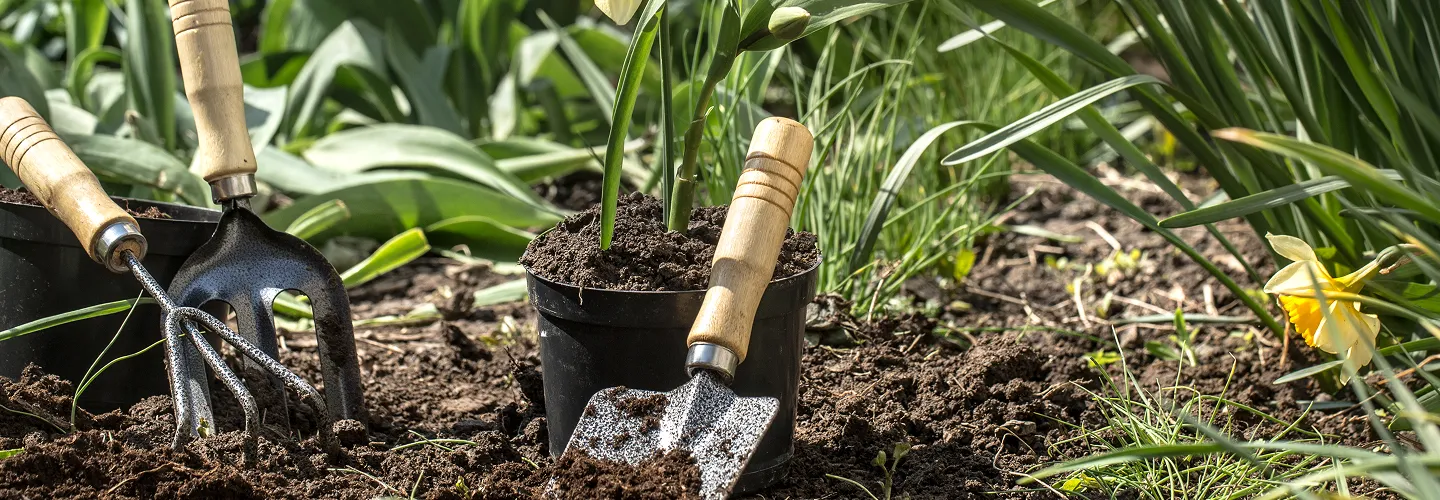
Louisville Green Waste Disposal Services
Choose our Green Waste Disposal for reliable, environmentally responsible removal of yard debris—helping you keep your property clean while supporting a greener Louisville.
Get a Free QuoteOur Louisville Landscaping & Yard Care Services
When to Schedule Green Waste Disposal in Louisville, Georgia – Seasonal Guide
In Louisville, Georgia, the timing of green waste disposal is closely tied to our unique climate and landscape. With hot, humid summers and mild winters, the optimal periods for scheduling green waste removal are typically late winter through early spring and again in late fall. These windows align with the end of frost periods and the start of new growth, making it easier to manage yard debris before it accumulates. Neighborhoods near Magnolia Springs State Park and along Broad Street often experience heavy leaf fall and branch drop, especially after seasonal storms, making timely disposal essential for maintaining curb appeal and healthy landscapes.
Local environmental factors such as our clay-heavy soils, variable shade coverage from mature oaks, and the risk of summer droughts all play a role in determining the best disposal schedule. For example, properties in the Sandridge area may need more frequent service due to dense tree canopies, while homes closer to the Ogeechee River might contend with higher humidity and faster organic decomposition. For more information on local guidelines and resources, visit the official municipal site.
Local Factors to Consider for Green Waste Disposal in Louisville
- Tree density and species common to your neighborhood
- Terrain and yard accessibility, especially in hilly or shaded areas
- Seasonal precipitation patterns and storm frequency
- Local frost dates and growing season length
- Municipal restrictions or scheduled pickup dates
- Soil type and drainage characteristics
- Proximity to landmarks like Magnolia Springs State Park or the Ogeechee River
Benefits of Green Waste Disposal in Louisville

Eco-Friendly Landscaping Solutions
Efficient Yard Waste Removal
Promotes Healthy Plant Growth
Reduces Landfill Waste
Supports Local Composting Efforts
Enhances Curb Appeal
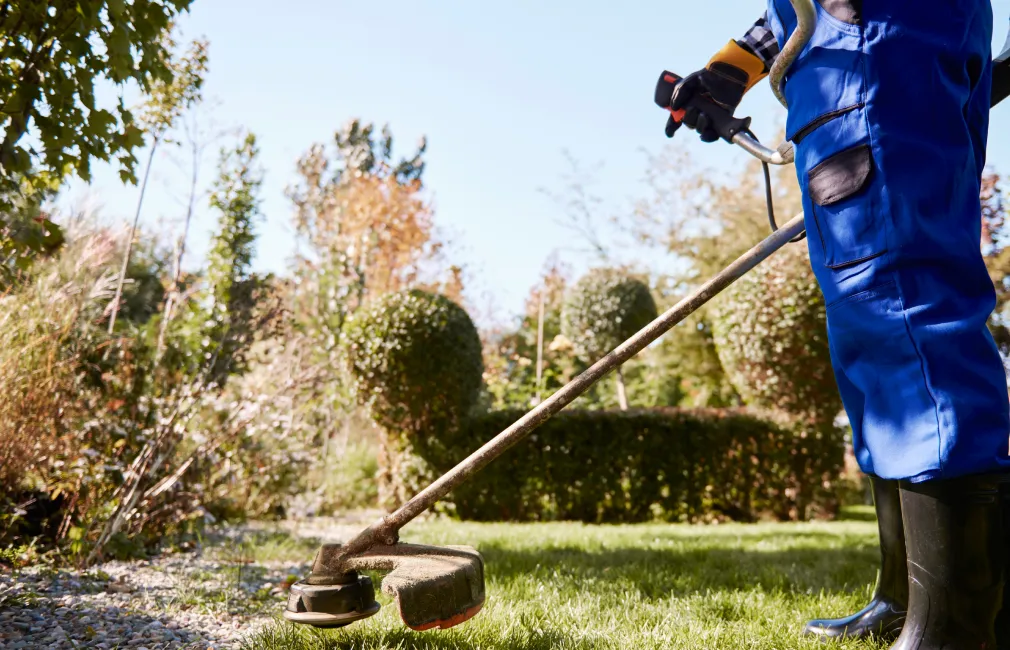
Louisville Green Waste Disposal Types

Grass Clippings
-
Tree Branches
-
Leaves Collection
-
Shrub Trimmings
-
Garden Debris
-
Mulch Recycling
-
Compostable Materials
Our Green Waste Disposal Process
Collection of Green Waste
Sorting and Separation
Transport to Disposal Facility
Eco-Friendly Processing
Why Choose Louisville Landscape Services
-
Louisville Homeowners Trust Us
-
Expert Lawn Maintenance
-
Competitive Pricing
-
Professional Team
-
Satisfaction Guarantee
-
Personalized Service
-
Reliable Scheduling
Coordinating Green Waste Disposal Through Louisville's Public Works Department
Louisville, the seat of Jefferson County, operates as a small municipality where green waste disposal coordination flows through the city's Public Works department. Residents and property managers generating yard debris—including grass clippings, leaves, brush, and small limbs—should verify current pickup schedules and placement requirements directly with the city. General guidelines for curbside green waste typically include:
- Limbs and branches cut to lengths no longer than 4 feet and bundled or stacked neatly at the curb
- Loose leaves and grass clippings bagged in biodegradable or approved containers
- Green waste separated from household trash and construction debris
- Piles placed at the right-of-way edge without blocking sidewalks, drainage ditches, or roadways
Because Louisville is a smaller city, collection schedules may vary seasonally or operate on a request basis rather than a fixed weekly route. Confirm current disposal procedures and any volume limitations before placing material curbside.
Louisville Public Works
1 W. Broad Street, Louisville, GA 30434
Phone: (478) 625-3491
Official Website: Louisville Public Works
Seasonal Green Waste Volume and Timing in Louisville's Long Growing Season
Louisville falls within USDA Hardiness Zone 8b, where warm-season turf grasses and deciduous hardwoods produce substantial organic debris across an extended growing period—typically March through November. The city's Middle Georgia location means property owners face two peak green waste periods each year:
- Spring (March–May): Rapid bermudagrass and centipedegrass growth generates heavy clipping volumes; flowering trees such as crepe myrtles and dogwoods shed spent blooms and small branches
- Fall (October–December): Mature oaks, pecans, sweetgums, and pines drop significant leaf and needle litter; pecan husks and sweetgum balls add to disposal loads
- Storm events (June–September): Summer thunderstorms and occasional tropical moisture produce downed limbs and scattered debris requiring prompt removal
Planning disposal around these cycles helps prevent accumulation that can obstruct drainage ditches and roadside swales. The National Weather Service provides local storm forecasts useful for anticipating post-storm cleanup needs.
Protecting Louisville's Drainage Ditches and Rocky Creek Corridor During Debris Removal
Louisville's terrain sits within the upper Coastal Plain transition zone, where soils from the Tifton, Orangeburg, and Norfolk series—predominantly sandy loams with moderate to rapid drainage—are common according to the USDA Web Soil Survey. While these soils drain more readily than Piedmont clay, they are susceptible to erosion when vegetative cover is disturbed or when debris is improperly staged near waterways. Rocky Creek and its tributaries flow through portions of the Louisville area, and green waste must never be dumped into or along stream banks, drainage ditches, or stormwater conveyances. Key environmental precautions include:
- Do not push leaves, clippings, or brush into roadside ditches or culvert openings
- Keep staging areas for green waste at least 25 feet from any creek bank or drainage channel
- Avoid using leaf blowers to direct debris toward storm inlets or low-lying wet areas
- Report illegal dumping of yard waste in waterways to Jefferson County Code Enforcement
The Georgia EPD Watershed Protection Branch oversees water quality standards that apply to all surface waters in the Louisville area.
Jefferson County Code Enforcement
171 W. Broad Street, Louisville, GA 30434
Phone: (478) 625-7922
Official Website: Jefferson County Code Enforcement
How Jefferson County Code Compliance Affects Overgrown Lots and Accumulated Yard Waste
Property owners within Louisville's city limits and unincorporated Jefferson County are subject to code enforcement standards that address accumulated vegetation and debris. Overgrown lots, piled brush, and uncollected green waste can trigger nuisance violations, particularly when material creates fire hazards, harbors pests, or obstructs public rights-of-way. Jefferson County's Code Enforcement office handles complaints and inspections related to:
- Excessive accumulation of yard debris on residential or vacant lots
- Brush piles left in place beyond a reasonable cleanup period
- Vegetation encroaching on sidewalks, roadways, or neighboring properties
- Debris blocking drainage infrastructure or creating standing water conditions
Property managers overseeing multiple parcels or rental properties should establish regular green waste removal schedules to remain in compliance. The Louisville Downtown Development Authority also supports property maintenance standards within the downtown historic core, where visible lot conditions affect the broader revitalization effort. Verify current enforcement thresholds and response timelines with the county before allowing debris to accumulate.
Georgia EPD Standards and Responsible Disposal Practices for Large-Volume Green Waste
When green waste volumes exceed what curbside collection can accommodate—such as after major tree removal, storm damage cleanup, or large-scale lot clearing—property owners must use authorized disposal methods. Open burning of yard waste in Georgia is regulated by the Georgia Environmental Protection Division and local fire authorities. In Louisville, any open burning of leaves or brush requires compliance with Georgia EPD's open burning rules, which generally restrict burning to natural vegetative material only, prohibit burning during air quality advisories, and require fires to be attended at all times. Additional considerations include:
- Confirm whether Louisville or Jefferson County requires a burn permit before igniting any yard debris; contact the Louisville Fire Department for local requirements
- Large brush loads may need to be hauled to an approved solid waste facility; verify accepted materials and hours with Jefferson County
- Commercial landscaping contractors generating green waste on client properties must transport and dispose of material through licensed hauling channels
- Composting on-site is encouraged by UGA Cooperative Extension as an alternative to disposal for leaves, grass clippings, and small organic matter
Louisville Fire Department
1 W. Broad Street, Louisville, GA 30434
Phone: (478) 625-3491
Official Website: Louisville Fire Department
What Neighborhoods Do We Serve Throughout Louisville, GA?
- Downtown Louisville Historic District: Properties surrounding the Old Market House and courthouse square feature mature hardwoods, older lot configurations, and narrow setbacks that concentrate leaf litter and require careful curbside staging to avoid blocking historic sidewalks and drainage channels.
- West Broad Street Corridor: Residential lots along and adjacent to West Broad Street include established pecan and oak canopies that generate heavy fall debris loads; proximity to roadside ditches requires disciplined placement of green waste away from drainage flow paths.
- North Louisville / Highway 1 Area: Larger residential parcels and semi-rural lots along the US-1 corridor produce higher brush and limb volumes from mixed pine-hardwood edges, often requiring hauling rather than curbside pickup.
- Pecan Grove and South Louisville Residential Areas: Newer and mid-century homes on sandy loam soils with moderate lot sizes; centipedegrass clippings and seasonal leaf drop from pecan trees are the primary green waste sources.
- Rocky Creek Vicinity: Properties near Rocky Creek and its tributaries must exercise particular caution to prevent green waste from entering the riparian corridor, maintaining buffer distances and avoiding debris staging in flood-prone low areas.
- Jefferson County Recreation Area Surroundings: Lots adjacent to county recreation facilities managed by Jefferson County Recreation often border wooded edges that contribute pine straw, fallen branches, and understory growth requiring regular disposal coordination.