
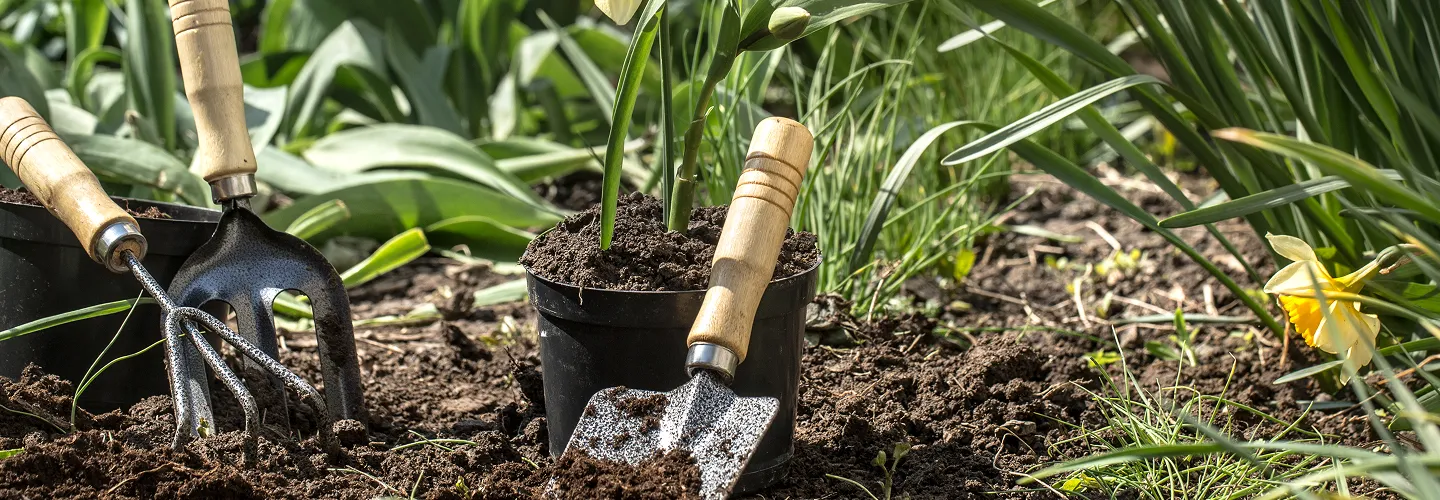
Louisville Flower Planting Services
Choose our flower planting services for vibrant, healthy blooms that enhance your home's curb appeal and create a welcoming outdoor space, all handled by experienced local professionals.
Get a Free QuoteOur Louisville Landscaping & Yard Care Services
When to Schedule Flower Planting in Louisville, Georgia – Seasonal Guide
In Louisville, Georgia, timing your flower planting is crucial for vibrant, long-lasting blooms. The region’s humid subtropical climate means that spring and early fall are generally the best seasons for planting, as temperatures are moderate and rainfall is more consistent. Local neighborhoods like Sandridge and areas near the Louisville City Park benefit from rich, loamy soils, but gardeners should always be mindful of the last frost date—typically in late March—before introducing tender annuals.
Environmental factors such as summer drought risk, high humidity, and varying shade coverage from mature oaks and pines in communities like Bartow Road can all impact planting success. It’s also important to consider municipal guidelines and local resources, such as those provided by the City of Sudbury, for up-to-date information on water usage and landscaping best practices.
Local Factors to Consider for Flower Planting in Louisville
- Proximity to mature trees and resulting shade coverage
- Soil type and drainage, especially in historic districts
- Average precipitation and risk of summer drought
- Frost dates and seasonal temperature swings
- Terrain variations, such as sloped yards or low-lying areas
- Municipal restrictions on watering or planting
Benefits of Flower Planting in Louisville
Enhanced Curb Appeal
Seasonal Color Variety
Improved Property Value
Expert Plant Selection
Low Maintenance Solutions
Eco-Friendly Landscaping

Louisville Flower Planting Types

Annual Flower Planting
Seasonal annuals provide vibrant color and variety throughout the year.
-
Perennial Flower Beds
Perennials return each year, offering lasting beauty and low maintenance.
-
Native Wildflower Gardens
Native wildflowers support local pollinators and thrive in Louisville’s climate.
-
Shade Garden Plantings
Shade-loving flowers create lush, colorful displays in low-light areas.
-
Pollinator-Friendly Plantings
Specialized flower beds attract bees, butterflies, and other pollinators.
-
Container Flower Arrangements
Versatile container plantings add color to patios, decks, and entryways.
-
Seasonal Bulb Planting
Bulb flowers like tulips and daffodils provide early spring color.
Our Flower Planting Process
Site Evaluation
Soil Preparation
Plant Selection
Careful Planting
Watering and Mulching
Why Choose Louisville Landscape Services
-
Louisville Homeowners Trust Us
-
Expert Lawn Maintenance
-
Competitive Pricing
-
Professional Team
-
Satisfaction Guarantee
-
Personalized Service
-
Reliable Scheduling
Louisville's Sandy Loam Soils and Their Impact on Flower Bed Preparation
Louisville sits within Georgia's upper Coastal Plain, where the predominant soil series—including Tifton, Dothan, and Norfolk sandy loams—present specific challenges for flower planting. These soils, typically acidic with pH levels ranging from 4.5 to 6.0, drain rapidly and tend to leach nutrients before plants can absorb them. Louisville falls within USDA Hardiness Zone 8b, with average minimum winter temperatures between 15°F and 20°F. Before installing flower beds, property owners should take the following preparatory steps:
- Test soil pH and nutrient levels through the UGA Cooperative Extension county office in Jefferson County
- Amend beds with 2–4 inches of composted organic matter to improve moisture retention in sandy substrates
- Incorporate lime if pH falls below 5.5, as most annual and perennial flowers perform best between 6.0 and 6.5
- Verify drainage patterns on-site, particularly on lots near Rocky Comfort Creek or low-lying areas prone to seasonal saturation
Soil data for specific parcels can be confirmed through the USDA Web Soil Survey.
Optimal Flower Planting Windows for Louisville's Extended Growing Season
Louisville's long warm season—with last spring frosts typically occurring in mid-March and first fall frosts arriving in mid-November—provides an approximately eight-month window for active flower establishment. Timing planting correctly is essential for root development and bloom performance. The following seasonal guidelines apply to most residential and commercial flower installations in the Louisville area:
- Cool-season annuals (pansies, violas, snapdragons): Plant from late October through early November for winter and early spring color, or in late February for spring display
- Warm-season annuals (zinnias, lantana, pentas, vinca): Install after the last frost date, generally mid-March through April, when soil temperatures consistently exceed 65°F
- Perennials (coneflower, black-eyed Susan, salvia): Establish in early spring (March–April) or early fall (September–October) to allow root systems to develop before summer heat or winter dormancy
- Summer bulbs (caladiums, gladiolus): Plant after soil warms to 65°F, typically late April in Louisville
The National Weather Service provides localized frost and temperature forecasts useful for confirming planting dates each season.
Protecting Rocky Comfort Creek and Louisville's Drainage Corridors During Bed Installation
Louisville's proximity to Rocky Comfort Creek, the Ogeechee River watershed, and several municipal drainage ditches requires careful environmental consideration during flower planting projects. Soil disturbance, fertilizer application, and mulch placement near these water features can contribute to sediment loading and nutrient runoff if not managed properly. The Georgia EPD Watershed Protection Branch oversees water quality standards that apply to activities affecting these corridors. Property owners and contractors should observe the following precautions:
- Avoid disturbing soil or installing beds within 25 feet of any identified stream, creek, or drainage ditch without verifying local buffer requirements
- Use slow-release or organic fertilizers in beds adjacent to stormwater conveyances to reduce phosphorus and nitrogen runoff
- Apply 2–3 inches of pine straw or hardwood mulch to stabilize exposed soil immediately after planting
- Direct irrigation away from drainage inlets and ditches to prevent sediment transport
Louisville Public Works maintains the city's drainage infrastructure and can provide guidance on setback expectations near municipal stormwater features. Residents should verify current requirements before beginning bed preparation near any watercourse.
Louisville Public Works
100 W. Broad Street, Louisville, GA 30434
Phone: (478) 625-3491
Official Website: Louisville Public Works
How Louisville's Downtown Historic District Affects Flower Bed Design and Maintenance
Louisville, Georgia's former state capital, features a historic downtown district centered around the Old Market House and the surrounding blocks along Broad Street. The Louisville Downtown Development Authority supports revitalization and preservation efforts in this area, and property owners within or adjacent to the historic core should be aware that flower bed installations may need to align with aesthetic and structural guidelines. Key considerations include:
- Raised beds, edging materials, and hardscape modifications in the historic district may require review through Jefferson County's building permit and code compliance process
- Plant selections should complement the historic character of the area—traditional Southern species such as azaleas, camellias, daylilies, and crepe myrtle underplantings are generally appropriate
- Avoid invasive ornamental species identified by UGA Extension - Invasive Species, including Chinese privet and Japanese honeysuckle, which can spread into adjacent properties and public rights-of-way
Property owners planning flower installations in the downtown area should confirm any applicable review requirements with Jefferson County Code Enforcement.
Louisville Downtown Development Authority
100 W. Broad Street, Louisville, GA 30434
Phone: (478) 625-3491
Official Website: Louisville Downtown Development Authority
Jefferson County Code Enforcement
171 W. Broad Street, Louisville, GA 30434
Phone: (478) 625-7922
Official Website: Jefferson County Code Enforcement
Georgia Fertilizer Regulations and Their Application to Flower Bed Nutrition
Fertilizer use in flower beds is regulated at the state level under the Georgia Fertilizer Act of 1997, administered by the Georgia Department of Agriculture - Fertilizer program. While homeowners applying fertilizer to their own property are generally exempt from commercial licensing requirements, professional flower planting contractors must ensure that any fertilizer products used are properly registered and labeled in accordance with state law. Practical guidance for Louisville flower beds includes:
- Apply a balanced slow-release fertilizer (such as 10-10-10 or a bloom-specific formulation) at planting time, incorporated into the top 4–6 inches of amended soil
- Avoid applying granular fertilizer when rain is forecast within 24 hours to prevent nutrient runoff into Louisville's stormwater system
- Follow label rates precisely—over-application on Louisville's sandy soils accelerates leaching into groundwater
- Conduct follow-up soil testing annually through the Jefferson County UGA Extension office to adjust pH and nutrient inputs
These practices support both plant health and compliance with Georgia water quality standards enforced by the Georgia Environmental Protection Division.
What Neighborhoods Do We Serve Throughout Louisville, GA?
- Downtown Louisville / Broad Street Historic Core: Properties in this area feature mature shade trees, older compacted soils, and historic structures that require careful bed placement and species selection suited to partial shade and aesthetic compatibility with the district's character.
- North Louisville Residential Area: Lots along and north of Peachtree Street tend toward sandy loam soils with moderate drainage, supporting a wide range of sun-loving annuals and perennials with proper soil amendment.
- South Louisville / Highway 1 Corridor: Newer development patterns along this corridor often feature open, full-sun lots with minimal tree canopy, ideal for heat-tolerant flower species such as lantana, vinca, and zinnias.
- Rocky Comfort Creek Vicinity: Properties near this drainage corridor require attention to buffer setbacks, erosion control, and runoff prevention during bed installation and fertilizer application.
- West Louisville / Cemetery Road Area: This area includes a mix of residential lots with variable soil compaction and mature pine canopy, where shade-tolerant selections like impatiens, hostas, and ferns perform well.
- Jefferson County Recreation Area Surroundings: Lots adjacent to the county recreation facilities managed by Jefferson County Recreation often feature open terrain and clay-sand transitional soils that benefit from organic amendment before planting.